
s cities evolve into smart, interconnected hubs, their infrastructure must keep pace—especially when it comes to lighting. Lighting is no longer just about illuminating streets; it’s a critical part of a city’s nervous system, linking public safety, energy efficiency, and citizen experience. Enter the modular, aluminum-based smart lighting system—a groundbreaking solution that marries the durability of aluminum with cutting-edge intelligence, designed to grow and adapt alongside the cities it serves. This innovative system doesn’t just light up urban spaces; it bridges the gap between traditional infrastructure and future-forward innovation, setting a new standard for what urban lighting can be.
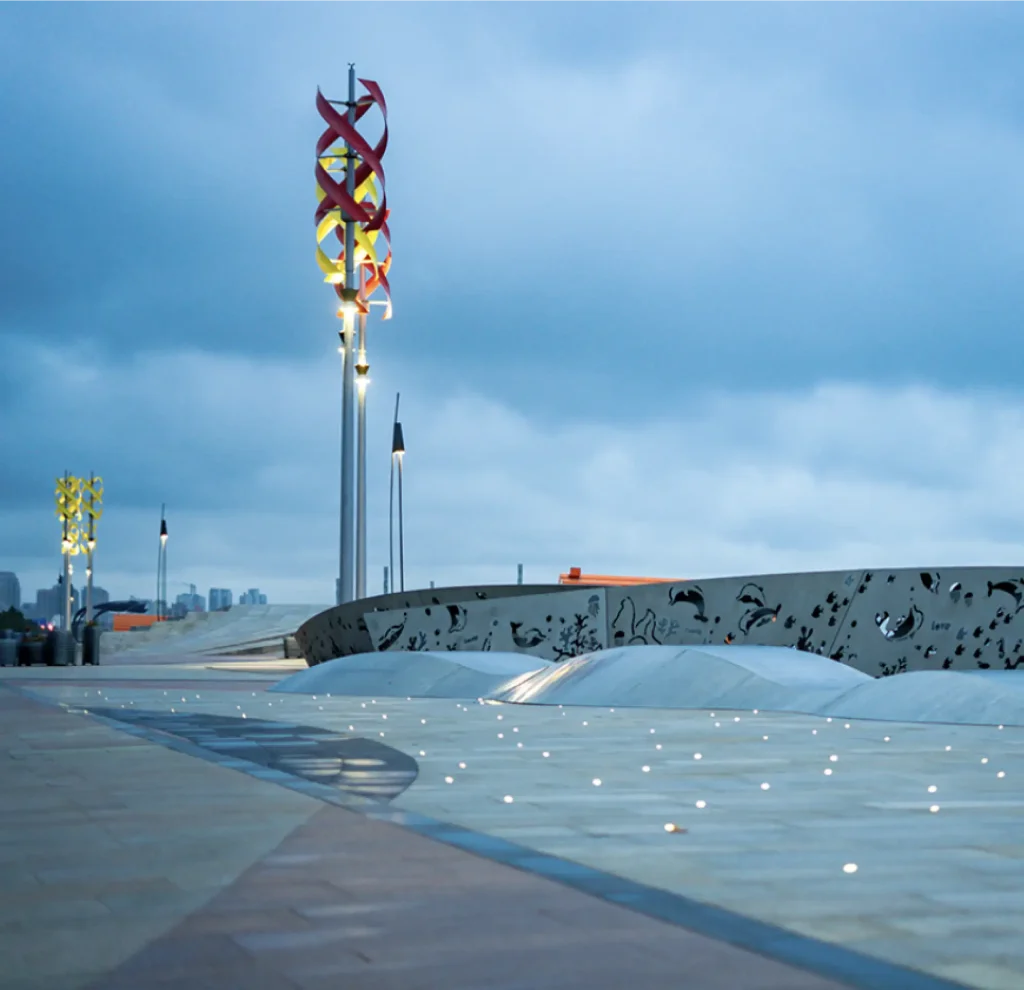

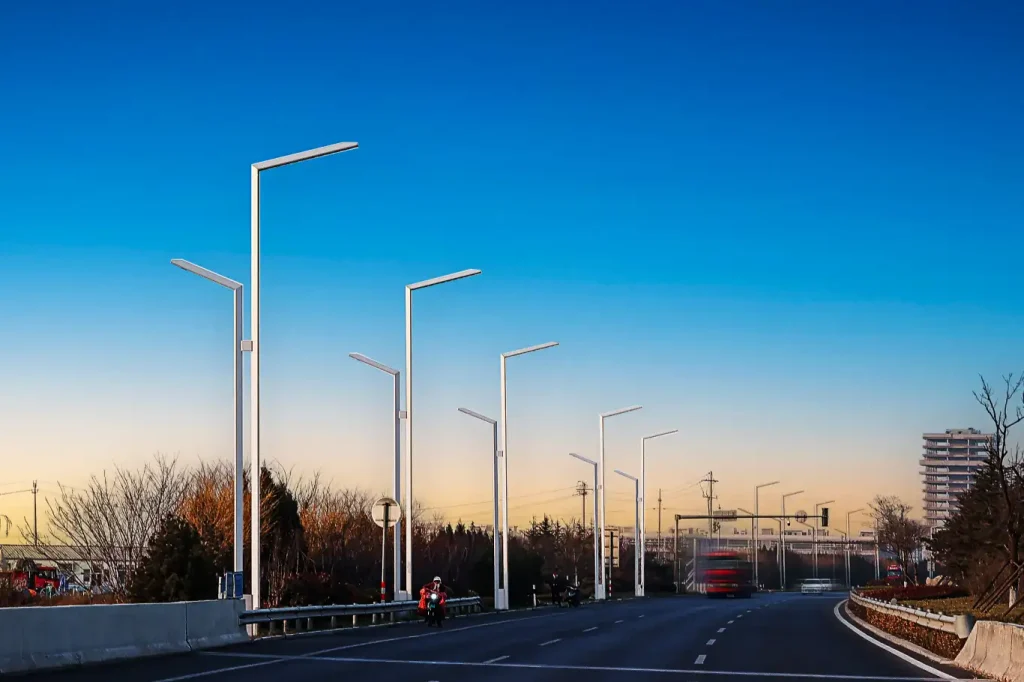
Aluminum: The Foundation of Durability and Versatility
At the heart of this smart lighting system lies one key material: aluminum. Chosen for its unmatched combination of strength, light weight, and flexibility, aluminum forms the backbone of the system’s modular design—and for good reason. Unlike heavier metals that complicate installation or brittle materials that crack under stress, aluminum offers the durability needed to withstand the rigors of urban life. It resists corrosion from rain, humidity, and air pollution, ensuring the lighting system maintains its structural integrity even in harsh city environments. This longevity translates to fewer replacements, lower maintenance costs, and a smaller environmental footprint over time—critical factors for cities aiming to build sustainable infrastructure.
But aluminum’s value goes beyond durability. Its malleability allows for the creation of sleek, modular components that can be easily assembled, reconfigured, or expanded. This modularity is a game-changer for cities, which often face evolving needs: a downtown area might need additional lighting for a new public square, while a residential neighborhood could require adjustments to reduce light pollution. With an aluminum-based system, cities don’t have to overhaul their entire lighting setup—they can simply add, remove, or rearrange modules to fit changing demands. This flexibility not only saves time and money but also ensures the system remains relevant for years, even as urban landscapes transform.
Intelligence at Every Layer: IoT, Dynamic Dimming, and “Multiple-in-One” Functionality
What truly elevates this system from a durable lighting solution to a smart urban tool is its integrated intelligence. At the core of this intelligence is IoT (Internet of Things) connectivity—a feature that turns each light fixture into a connected node in a city’s network. Through IoT, the system can collect and transmit real-time data: it can monitor energy usage, detect malfunctions, and even provide insights into foot traffic or environmental conditions (such as air quality or temperature). This data empowers city officials to make informed decisions: they can identify energy-wasting fixtures, schedule maintenance proactively, or adjust lighting based on how a space is being used. For example, a park light might send a signal when it detects increased evening foot traffic, prompting the system to brighten the area for safety.
Complementing its IoT capabilities is dynamic dimming—a feature that balances brightness, energy efficiency, and user comfort. Unlike traditional streetlights that stay at full power all night, this smart system adjusts its brightness based on real-time needs. During peak hours (such as evening commutes), it can operate at full brightness to ensure visibility; during quiet late-night hours, it can dim slightly to save energy without compromising safety. Dynamic dimming doesn’t just reduce energy consumption—it also minimizes light pollution, a growing concern in urban areas that disrupts sleep cycles and harms wildlife. By adapting to the rhythm of the city, the system ensures lighting is always “just right.”
Rounding out its intelligent features is its “multiple-in-one” functionality—a design that turns each light fixture into a multi-purpose tool. Beyond illumination, the system can integrate additional components tailored to a city’s needs: it can include USB charging ports for pedestrians, Wi-Fi hotspots to expand internet access in underserved areas, or even emergency sirens or cameras for public safety. This “all-in-one” approach eliminates the need for separate infrastructure (such as standalone charging stations or Wi-Fi routers), reducing clutter in public spaces and lowering installation costs. For example, a downtown streetlight might serve as both a light source and a Wi-Fi hub, providing value to citizens while streamlining the city’s infrastructure.
Bridging Infrastructure and Innovation: A System Built for the Future
The true power of this modular, aluminum-based smart lighting system lies in its ability to bridge infrastructure and innovation. Traditional urban lighting is often static: it’s installed once and remains unchanged for decades, unable to adapt to new technologies or city needs. This system, by contrast, is designed to evolve. Its aluminum modularity means it can easily integrate new technologies as they emerge—whether that’s advanced sensors, 5G connectivity, or AI-driven analytics. Its IoT backbone ensures it can communicate with other smart city systems (such as traffic lights or waste management) creating a seamless, interconnected urban ecosystem.
For cities, this bridging of infrastructure and innovation has tangible benefits. It turns a basic utility (lighting) into a driver of progress: it can improve public safety by providing real-time data on potential hazards, enhance sustainability by cutting energy use, and boost quality of life by offering convenient features like charging ports or Wi-Fi. It also future-proofs a city’s investment: instead of replacing an entire lighting system every few years to keep up with technology, cities can upgrade individual modules, ensuring their infrastructure remains state-of-the-art without unnecessary waste.
Consider a mid-sized city looking to revitalize its downtown area. By installing this smart lighting system, it can: use dynamic dimming to reduce energy costs by 30%; integrate Wi-Fi hotspots to attract businesses and tourists; and leverage IoT data to optimize pedestrian flow around new shops and restaurants. Over time, as the city grows, it can add more modules to cover new neighborhoods or integrate AI sensors to monitor air quality—all without replacing the existing aluminum framework. This adaptability is what makes the system not just a lighting solution, but a long-term partner in urban development.
Conclusion
In a world where cities are constantly striving to be smarter, greener, and more responsive to their citizens, the modular, aluminum-based smart lighting system stands out as a transformative innovation. By combining the durability and versatility of aluminum with IoT connectivity, dynamic dimming, and “multiple-in-one” functionality, it redefines what urban lighting can achieve. It’s not just a way to brighten streets—it’s a tool that bridges the gap between old infrastructure and new innovation, helping cities evolve, adapt, and thrive.
For city planners, officials, and citizens alike, this system represents a step forward in building cities that are not just functional, but future-ready. It proves that when aluminum meets intelligence, the result is more than a light fixture—it’s a catalyst for smarter, more sustainable urban life. As cities continue to grow and change, solutions like this will be essential to creating spaces that are safe, efficient, and designed with the needs of people and the planet in mind.